
Accessibility
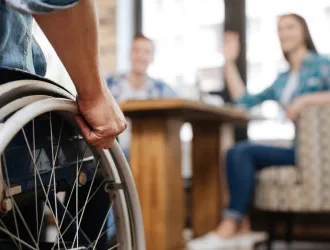
Wheelchairs for Emergency Use
BackgroundThe Security and Safety Service plays a crucial role in maintaining a secure environment and is equipped to respond to emergencies, medical incidents, and unexpected situations. Currently, the Service maintains a small stock of wheelchairs intended for emergency or short-term use, but many of these units are outdated, limiting their accessibility.
ScopeReplacing outdated emergency-use wheelchairs with modern and accessible models will provide safe and reliable support for persons with reduced mobility during evacuations, medical emergencies, or unforeseen incidents. The access point will be Pregny Gate as a primary access for persons with mobility impairments.
Impact
New wheelchairs improve emergency response for persons with disabilities by providing safe, accessible, and reliable mobility, supporting the implementation of the UN Disability Inclusion Strategy.
Wheelchairs could also be used by delegates or staff with temporary mobility impairments, for example following an accident.
Estimated Cost
Costs depend on the model of wheelchairs to be installed (CHF 8000 – CHF 20000).
Location
Palais des Nations, Pregny Gate
Sign Language Courses
BackgroundBuilding on the success of existing language programs, UNOG seeks to further advance its commitment to multilingualism, accessibility and inclusion by introducing sign language training. Current offerings focus on spoken and written languages, leaving an important gap in support for deaf and hard-of-hearing persons.
ScopeA series of sign language courses will be offered to staff, delegates, and external participants to acquire practical skills to communicate effectively with the deaf and hard-of-hearing community. Courses may include International Sign, LSF (French Sign Language), BSL (British Sign Language), and others depending on demand and feasibility.
Impact
Implementing courses will advance existential UN values of diversity, respect, and equal participation.
The project strengthens communication with and among persons with hearing impairment, fostering greater inclusion.

Estimated Cost
CHF 5000
– CHF 10000
Location
Palais des Nations, on-site classrooms and online/hybrid sessions
Support Fund for Disability Inclusion Events
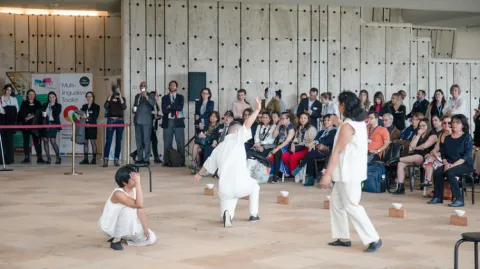
BackgroundAt UNOG, accessibility is not just a requirement, but a reflection of the UN's core values of dignity, equality, and inclusion. Events like World Braille Day and the International Day of Persons with Disabilities help raise awareness, challenge stigma, and celebrate diverse voices, which need to remain impactful, inclusive, and accessible to all.
ScopeBy establishing a dedicated support fund, the project will strengthen disability inclusion at UNOG, covering costs for guest speakers, workshops, accessible venues, equipment, and materials in accessible formats. Its goal is to ensure that every event is fully inclusive, engaging, and reflects the UN’s commitment to diversity, equity, and participation for all.
Impact
Greater participation of persons with disabilities by removing barriers will be fostered.
The fund will raise awareness among UN staff and visitors, stressing the implementation of inclusive practices across the organization.
Estimated Cost
Costs vary by event (CHF 500 – CHF 5000) and are determined with the donor's vision and contribution.
Location
Palais des Nations
Inclusive Tours
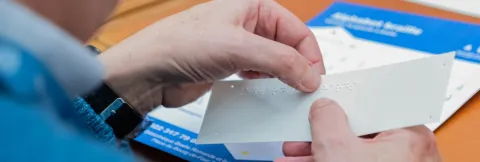
BackgroundThe Palais des Nations welcomes thousands of visitors each year. There is scope to making the popular guided tours more accessible to individuals with visual impairments. By designing inclusive, multi-sensory experiences that provide meaningful access to UN spaces and information, UNOG could enrich the experiences of visiting the premises for all visitors.
ScopeInclusive tours will enhance accessibility for visually impaired visitors through touch-based navigation features, audio descriptions of key landmarks, and Braille guides. These improvements will strengthen equal access to UN spaces and enrich the overall visitor experience through professional, high-quality inclusive design.
Impact
Strengthening equal access to UN spaces for visitors with visual impairments, reinforcing UNOG’s commitment to inclusivity.
By expanding accessible tour options, the initiative will ensure that all visitors can fully engage with the UNOG’s spaces.
Estimated Cost
CHF 12000
– CHF 21000
Location
Palais des Nations, Visitors' Center, guided tours
Accessibility Info Hub
BackgroundAccessibility-related resources are not centralized, making it harder for individuals with disabilities to navigate the Palais des Nations independently. A dedicated, visible information point would ensure that essential accessibility support is easy to find, understand, and use.
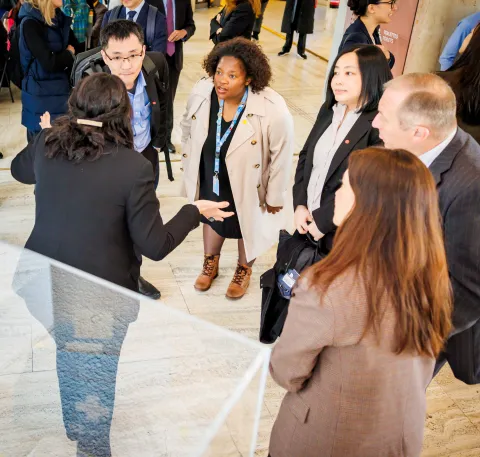
ScopeA small, interactive, self-service booth at the Palais des Nations will serve as a centralized hub for accessibility information. It will provide up-to-date details, maps, key contact points, and digital links to support resources for persons with disabilities attending conferences and events, all without requiring full-time staffing.
Impact
Information for persons with disabilities will be improved.
To ensure the full engagement of all attendees, the hub will facilitate inclusive participation in conferences and events.
Estimated Cost
CHF 13000
– CHF 25000
Location
Pregny Gate, Visitors’ Center, Concordia Bar
Written Tour Access for All
BackgroundTraditional guided tours at the Palais des Nations rely heavily on spoken explanations, limiting accessibility for visitors with hearing impairments. Providing written tour content supports more inclusive access to the UN’s history, exhibitions, and spaces.
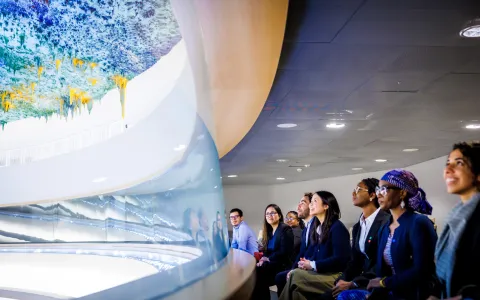
ScopeA QR code system will be installed at key locations throughout the Palais, giving visitors direct access to written descriptions on their mobile devices. The system will enable self-guided tours for those who prefer or require written content and complement in-person tours by offering an alternative – written tour access for all!
Impact
Accessibility for hearing-impaired visitors will be increased through tailored resources.
While providing written tour content, independent exploration of UN spaces will be facilitated.
Estimated Cost
CHF 30000
– CHF 60000
Location
Visitors’ Center, multiple locations of interest across the Palais des Nations